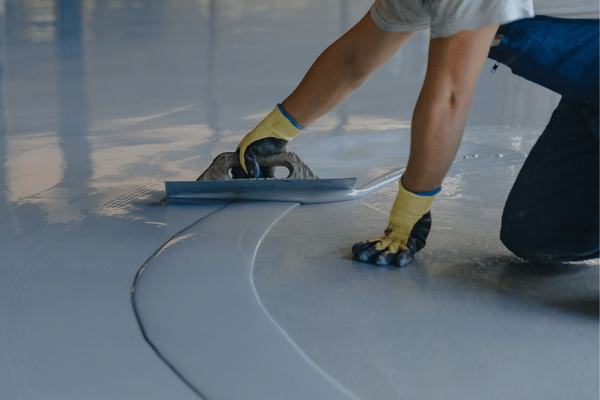
Deciding on appropriate garage flooring, a requirement for any homeowner in Austin, commences with a discussion of two currently trending types: epoxy and stained concrete. These two types of flooring can play a critical role in transforming a dull concrete floor within the garage into an aesthetically pleasing area. Hot weather necessitates garage flooring in Austin that can withstand wear and tear.
Austin's climate affects your garage floor choice. Hot summers mean hot tires that can damage certain coatings. Heavy vehicle use requires tough surfaces that resist oil spills and foot traffic.
A sealed floor stops concrete dust and makes cleaning easier. It can even boost your home's value. Remodeling experts note that epoxy-coated floors might increase resale value by 5-10% (Holtzman Remodeling).
Current trends show epoxy remains the top choice for garage flooring Austin residents want. Many turn garages into workshops or home gyms. They need floors that are both durable and stylish.
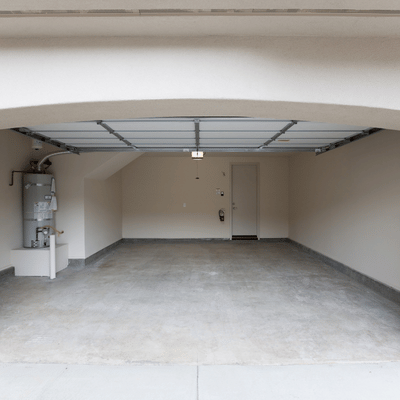
Epoxy creates a thick, resin layer over concrete. When it cures, it forms a rock-hard finish bonded to your slab. This epoxy garage floors Austin Texas solution offers maximum protection.
Epoxy forms a seamless surface that resists oil, grease, and chemicals. Common spills won't penetrate. You just wipe them up without staining. The coating handles heavy vehicles and dropped tools without chipping.
Professional installers handle surface grinding and moisture testing. This prep work takes time but ensures the coating bonds correctly. DIY kits exist but often fail without proper experience.
Concrete staining takes a different approach. Instead of coating the top, stain penetrates the concrete surface. It infuses color directly into the slab.
How Staining Works
Professional concrete staining gives your floor an artistic, high-end look. Popular colors are leather brown, terra cotta, and slate gray. The matte finish looks and feels more natural than shiny epoxy.
Maintenance Requirements
Epoxy floors are easier to maintain than stained ones. The clear sealer on stained concrete wears out over time, so you’ll need to reapply it every few years. These extra costs add up compared to epoxy, which can last a decade or more.
Acid-based stains react with the minerals in concrete to create natural colors. Water-based stains give you more color choices. The finished floor is decorative and highlights the concrete’s unique look. No two stained floors are the same.
Professional concrete staining gives your floor an artistic, high-end look. Popular colors are leather brown, terra cotta, and slate gray. The matte finish looks and feels more natural than shiny epoxy.
For added protection, concrete staining services require a transparent sealer on top. Even so, resistance to chemicals is moderate. Spilled fluids might still leave stains if not cleaned up soon.
Epoxy floors are easier to maintain than stained ones. The clear sealer on stained concrete wears out over time, so you’ll need to reapply it every few years. These extra costs add up compared to epoxy, which can last a decade or more.
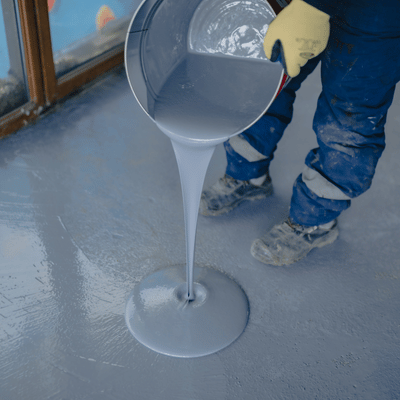
Both options improve garage flooring Austin homeowners rely on. Your choice depends on how you use the space.
Epoxy garage floors Austin, Texas installers recommend this option for high-traffic garages. It protects concrete and stays beautiful for years.
Your garage receives light use.
Budget is your first worry.
You prefer a natural and matte look.
You do not mind resealing every few years.
Your concrete is in decent condition.
For many Austin homeowners, professional concrete staining offers good-enough protection with better aesthetics at a lower cost.
Both options require sufficient surface preparation. This makes or breaks the final outcome. Professionals test concrete, patch cracks, and apply products properly. They use commercial-grade materials designed for Austin's environment.
Poor preparation or the use of the wrong items are common causes of DIY project failure. Labor prices are hefty, but make sure your investment lasts. Experts use UV-stable sealers and slip-resistant finishes as needed.
Quality epoxy can last for 15-20 years or longer with proper care and installation. The hot weather will not impact properly cured epoxy with UV-resistant topcoats.
Yes, staining normally costs $2-7 per square foot, compared to $5-12 for epoxy. However, discoloration necessitates resealing every 2-3 years, which raises long-term costs.
DIY is a viable choice, but both are hazardous. Poor surface preparation causes epoxy to flake and stains to appear blotchy. Professional installation provides long-lasting effects.
Epoxy wins for car work and frequent parking. Its chemical resistance handles oil, gasoline, and brake fluid without staining. Stained concrete offers less protection.
Yes, for both epoxy and staining. The entire floor needs access for proper cleaning, prep, and application. Plan to clear the space completely.
Properly installed epoxy resists hot tire pickup when fully cured. Stained concrete isn't affected since the color penetrates the slab itself. Both handle Austin's summer heat.
Upgrading your garage floor makes the space cleaner and more functional. Epoxy offers premium protection and showroom style. Stained concrete provides creative appeal at lower cost. Both beat plain concrete and handle Austin's climate well.
Ready to upgrade your garage flooring Austin home? Contact FloorDoctor TX for a free consultation. Our team installs both epoxy and stained concrete using commercial-grade products. We'll help you choose the perfect solution for your needs and budget. Get your free quote today and enjoy a beautiful, durable garage floor that lasts for years.