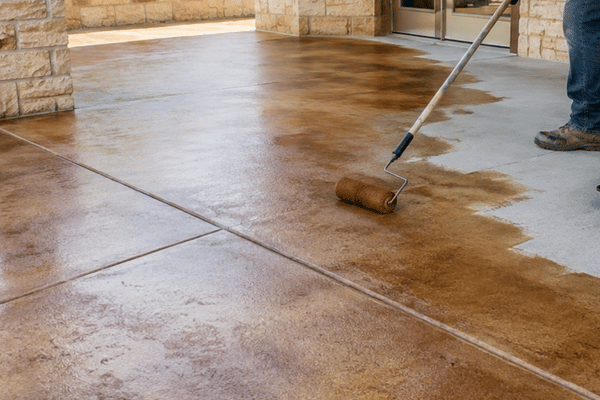
When it comes to concrete staining in Fort Worth, TX, choosing a color is the fun part. The harder part is finding someone who knows how to work with your slab.
Concrete can hold old glue, paint, oil, moisture, or patch marks. Those issues affect the finished color. Before hiring anyone, ask how they will inspect, clean, and prepare the floor.
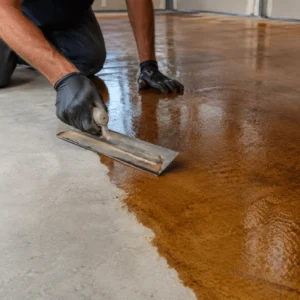
Concrete stain changes the color of a bare, prepared slab. It does not sit on top like standard wall paint.
There are several ways to color concrete:
These finishes do not all look the same. Acid stain often creates uneven shades and natural color changes. Water-based products give the installer more control.
Ask which product will be used before agreeing to the work.
No two concrete floors are exactly alike. Even slabs in the same building can take stains in different ways.
Old repairs may stay visible. Glue and sealer can block the stain. Oil can also leave darker or lighter areas.
A contractor should visit the property and look for:
FloorDoctor has worked on concrete floors across Central Texas since 2012. Our own team completes the work, and we do not pass projects to outside crews.
Use the same questions for every company you contact. It will help you compare the actual work, not just the total price.
| Ask This | Why It Helps |
| Will you visit the site first? | Photos may not show hidden floor damage. |
| What stain will you use? | You should know the product and finish type. |
| How will you clean the slab? | Poor prep can lead to patchy results. |
| Will grinding be needed? | Some coatings cannot be removed by washing. |
| Can I see a test area? | A sample shows how your floor takes color. |
| Do you have insurance? | It gives you added protection. |
| What does the quote include? | Clear terms help prevent surprise charges. |
Texas does not offer a one-state license just for concrete staining work. Some jobs may still need local permits or contractor registration.
Ask for current insurance records. Also, check whether any Fort Worth rules apply to your project.
Both stain types can look good. Your choice depends on the floor and the style you prefer.
| Acid Stain | Water-Based Stain |
| Natural, uneven color | More color choices |
| Mostly brown and earth shades | Soft or bold shades |
| Reacts with the slab | Uses added pigment |
| Harder to predict | Easier to control |
Acid stain works well when you want a worn, stone-like finish. It will not produce the same result on every floor.
Water-based stain is useful when you want a set color or a wider range of shades. Some products can still create soft color changes instead of one flat tone.
A concrete staining expert should show you the difference and explain what suits your slab.
Fort Worth summers are hot, and outdoor concrete gets strong sun. The area also sees heavy rain and freezing weather.
For a patio, walkway, or pool deck, ask whether the finish can handle:
For a patio, walkway, or pool deck, ask how well the finish will stand up to everyday outdoor exposure before making your choice.
Will prolonged UV exposure cause the finish to fade, discolor, or weaken?
Can the surface tolerate repeated exposure to rain, splashes, and moisture?
Can it handle expansion and contraction as outdoor temperatures change?
Is the finish durable enough for frequent walking and everyday outdoor use?
Ask whether the finished surface provides suitable traction when it becomes wet.
Find out how the surface should be cleaned and how often resealing may be needed.
The National Weather Service records very hot days, rainfall, and winter freezes across the Dallas-Fort Worth area.
Outdoor sealers need to suit those conditions. They should also provide enough grip for the space.
Keep in mind that the sealer cannot fix drainage. Water should not sit on the slab for long periods.
Some promises sound good but are not realistic.
Be careful when you hear:
Grinding can also release fine silica dust. OSHA requires workers to control this dust.
Ask how the crew will protect the room. Common steps include dust collectors, wet grinding, and plastic barriers.
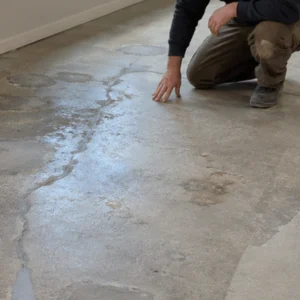
The cost depends on more than the number of square feet. Prep work often makes the biggest difference.
Your quote may include:
A clean garage floor may need little repair. An older shop floor covered in glue will take more time.
Companies offering concrete staining services in Fort Worth should give you a clear written quote. Ask what is included and what could cost more.
Concrete staining adds color to a clean slab. Acid stain reacts with the concrete itself. Water-based stain adds color with pigment.
Yes, many older floors can be stained. Paint, glue, wax, and sealer must usually come off first. Repairs may still show through the new finish.
The paint normally needs to be removed. Stain cannot soak through a solid painted layer. The contractor should test the bare concrete after removal.
It may feel slippery when wet, especially if the sealer is smooth or glossy. A grip additive can improve traction. This is worth discussing for entrances and pool areas.
Yes. The stain and sealer must be made for outdoor use. Good drainage and routine care also help the finish last.
It depends on the size and condition of the slab. Repairs, grinding, drying, and curing all add time. Your contractor should explain when the floor can be used again.
Good results start with a careful look at the existing concrete. Do not choose a contractor based on color samples alone. Ask about prep, products, safety, and long-term care.
Searching for concrete staining services near me? Contact FloorDoctor to arrange an on-site visit and get a written quote for your floor.