Are you planning to stain your concrete floor or patio? You might need to strip the concrete first. This technique eliminates any old paint, sealers, or coatings, allowing your new stain to fully soak in. Many Texas homeowners are unsure when this action is necessary. The quick answer is whenever your concrete has a covering that prevents the stain from penetrating. Let's look at when you require concrete stripping and how to do it.
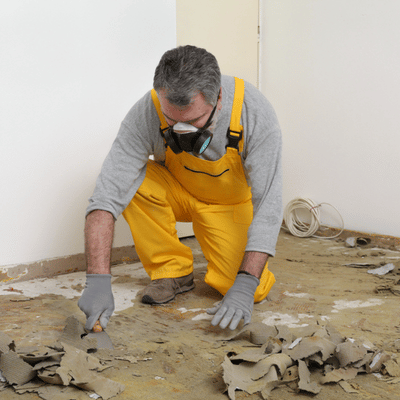
Concrete stripping removes any coating from a concrete surface. This includes:
The goal is simple. Get back to bare, porous concrete so new stain can absorb evenly.
There are two main methods. Mechanical stripping uses grinding or blasting to remove coatings. Chemical stripping uses concrete strippers to dissolve old finishes. Most homeowners choose chemical stripping because it's safer and causes less damage to the concrete.
Here's when concrete stripping is required:
Paint must come off completely before staining. Stain soaks into concrete—it can't penetrate through paint. Even tiny paint remnants will cause problems. The stain won't react evenly, leaving you with a blotchy mess.
Most decorative floors get sealed after staining. That sealer blocks new stain from soaking in. A simple water test tells you if sealer is present. Drop water on the concrete. If it beads up instead of soaking in, you have a sealer to remove.
Pros use a Xylene test for confirmation. Pour Xylene on a small spot and wait 30 seconds. If it gets sticky, a sealer is definitely there.
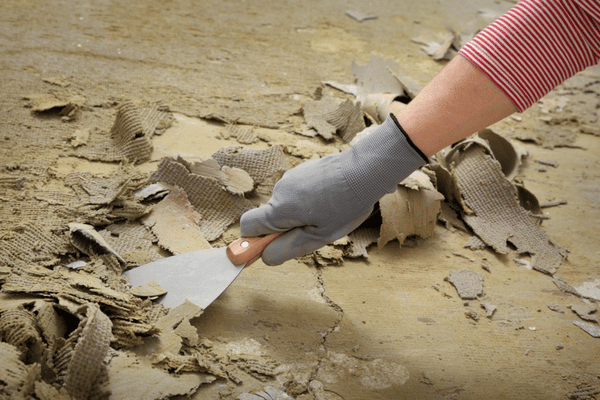
Pulling up old carpet or tile? You'll likely find adhesive residue underneath. This glue blocks stain and can react badly with acid stains. Use concrete strippers made for adhesive removal. Some stubborn black mastic may need extra steps, but you can't stain over it.
Garage floors with old epoxy need complete stripping. Acid stain won't work over epoxy, it can't reach the concrete. Heavy-duty concrete strippers break down these tough coatings. A powder stripper TX option works well for thick layers because you can adjust the strength.
Texas's sun is harsh. Old sealers can yellow, bubble, or peel from UV exposure. Strip off the failing sealer before re-staining. Otherwise, your new finish will fail too.
Brand new concrete doesn't need stripping. Just clean it well and let it cure for 28 days. Truly bare concrete (never sealed or painted) only needs good cleaning.
But many homeowners think their concrete is bare when it's not. Builders often apply curing compounds that need removal. Do the water drop test to be sure.
Concrete strippers use chemicals to soften or dissolve old coatings. You apply the stripper, wait for it to work, then scrape or wash off the residue.
Caustic Strippers
Solvent-Based Strippers
Biochemical or Green Strippers
Powder Stripper TX Options
Application Process:
A pressure washer handles up to 95% of the cleanup after stripping. It blasts off residue quickly and efficiently.
Safety First:
Small areas work for DIY. One room or a patio is manageable. Choose the right stripper for your coating type. Read labels carefully. Latex paint needs different products than epoxy.
Plan for time and mess. Scraping stripper is slow work. You'll need helpers for big slabs. Dispose of waste at hazardous facilities, not regular trash.
Never substitute acid etching for stripping. Acid doesn't remove coatings. It only profiles bare concrete. Using acid before acid staining actually ruins the concrete's ability to take stain.
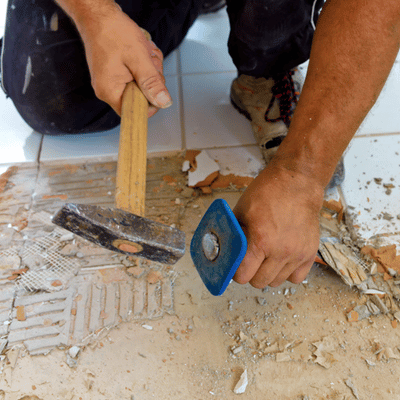
Large areas require professionals. Commercial equipment is required for multiple rooms or an entire garage. Stubborn coatings, such as thick epoxy, respond better to expert strippers.
Benefits of hiring pros:
Texas climate matters, too. Professionals know how to work in our heat. They pick the right products and timing. Summer sun can make strippers dry too fast or not work properly.
Grinding requires expensive equipment and skill. Most homeowners should skip mechanical methods. One wrong move scars your concrete permanently. Pros have dust-controlled grinders and know exactly how much to remove.
The bottom line: Proper prep makes or breaks your staining project. Even the best stains fail with poor prep. Small jobs you can handle. Big or tricky jobs deserve professional help.
No, stain won't penetrate sealed concrete. The sealer blocks absorption. Strip it off first or your stain will look blotchy and may peel. Do a water test to check for sealer—if water beads up, you need stripping.
Small areas take 4-6 hours, including cleanup. Large floors can take several days. Dwell time varies by stripper type—some work in 30 minutes, others need hours under plastic. Multiple coating layers require repeated applications.
Yes, with proper precautions. Use gloves, eye protection, and ventilation. Choose low-VOC or biochemical strippers for easier handling. Read all instructions carefully. For large areas or toxic coatings, hire professionals for safety.
Only if coatings are present. Acid stain needs bare concrete to react with. Any paint, sealer, or adhesive must go. Never grind or acid etch before acid staining—both remove the layer acid needs to work.
Powder stripper TX products mix with water on-site. You control the strength for different jobs. They're more economical for large areas. Liquid strippers come ready to use—easier for homeowners but less flexible for tough coatings.
Pour water on the surface. If it soaks in, you're likely fine. If it beads up, there's a sealer. You can also try the Xylene test. Pour a small amount and wait 30 seconds—sticky residue means sealer is present.
Concrete stripping before staining matters when old coatings are present. If sealers or paint stay on the slab, new stain and seal can fail to bond and peel. FloorDoctor strips the old layer first, so your new finish can stick and last.
You get a team with real-time on the job. FloorDoctor was founded in 2012 and uses trained technicians, not subcontractors. They are based in McGregor and serve Central Texas along I-35, including Waco, Austin, Dallas, and Fort Worth.
They also bring the right gear and prep process. FloorDoctor uses stripping machines from Xtreme Polishing Systems and sources key chemicals from Sherwin-Williams. They follow safety guidelines, arrive with PPE, and can handle homes, shops, and large spaces.
Get your concrete checked and get a clear stripping plan and quote. Call (254) 424 4744 to lock in your project with FloorDoctor, before you stain.